Moving to a new country is about much more than packing a suitcase—it’s about learning a new city, meeting new people, and making the most of your university experience.
Whether you’re studying in Montreal, Halifax, Charlottetown, or St. John’s, there are a few things every student should know before arriving. This guide shares practical advice that goes beyond the classroom, helping international students in Canada feel at home from day one.
Be a Tourist for a Day
Before classes begin, spend a day exploring your new city like a visitor.
Walk through downtown, visit local cafés, explore parks, and check out the attractions that make your city unique. You’ll quickly become more comfortable navigating your surroundings—and you’ll probably discover a few favourite spots along the way.
One of the best parts of studying abroad is experiencing somewhere completely new, so don’t rush past the tourist attractions. They’re popular for a reason.

St. John’s, Newfoundland and Labrador
St. John’s is known for its colourful row houses, rugged coastline, and welcoming community.

While the city has a lively student nightlife, make time to experience authentic Newfoundland culture. Visit a local pub with live music, chat with locals, and you’ll quickly understand why Newfoundland hospitality is famous across Canada.
If you enjoy the outdoors, take advantage of the city’s incredible hiking trails. A weekend hike is one of the best ways to experience the province’s natural beauty.
Montreal, Quebec
Montreal rewards students who say “yes.”
From outdoor concerts and food festivals to neighbourhood markets and cultural events, there’s almost always something happening—and much of it is free activities.

One of the best pieces of advice for international students in Canada studying in Montreal is to accept invitations, attend campus events, and explore different neighbourhoods whenever you can.
Montreal is also one of Canada’s most creative cities. Don’t be afraid to express yourself, try something new, or discover a hobby you’ve never considered before. Chances are, you’ll find a community that shares your interests.
Halifax, Nova Scotia
Halifax perfectly balances city life with the outdoors.

Spend an afternoon walking the famous Halifax Waterfront Boardwalk, where you’ll find local restaurants, cafés, and waterfront views.
If you have a free weekend, take a trip to Peggy’s Cove. It’s one of Nova Scotia’s most recognizable destinations and gives you a chance to experience the province beyond the city.
Charlottetown, Prince Edward Island
Prince Edward Island may be Canada’s smallest province, but it’s full of experiences.

If you have access to a car, spend a day exploring both ends of the island. From charming fishing villages to scenic coastal roads, every corner has something different to offer.
While you’re there, try local seafood, visit farmers’ markets, and don’t miss Cavendish Beach. Its white sand, rolling dunes, and stunning coastline make it one of Canada’s most beautiful beaches.
Finding Your Home Away From Home
No matter which city you choose, your university experience starts with finding a place where you feel comfortable.
Having a safe, welcoming home makes it easier to focus on classes, build friendships, and enjoy everything your new city has to offer.
At University Apartments, we provide purpose-built student housing for international students in Canada with residences in Montreal, Halifax, Charlottetown, and St. John’s. Our fully furnished communities are designed to help students settle in quickly and feel at home from their very first day.
Here’s to new friendships, unforgettable experiences, and making Canada your home away from home.
Sending your child to study in Canada is an exciting milestone—but helping them find housing from another country can feel overwhelming.
Whether they’re moving to Montreal, Halifax, Charlottetown, or St. John’s, finding safe, reliable student housing in Canada is one of the most important steps before classes begin.
The good news? With a little planning, you can help your student find a place they’ll feel comfortable calling home while giving yourself peace of mind.
Here are five ways to make the process easier.

1. Start Your Search Early
Student housing fills quickly, especially before the September semester. Waiting until the last minute can leave fewer options and higher prices.
If your child has accepted an offer from McGill University, Concordia University, Dalhousie University, Memorial University, or the University of Prince Edward Island, begin looking several months before move-in.
Starting early gives you time to compare locations, lease terms, amenities, and pricing without feeling rushed. Our guide on When to Start Looking for Student Housing is a great place to begin.
2. Choose Purpose-Built Student Housing
Not all rentals are created equal.
Traditional apartment listings often require students to arrange furniture, utilities, internet, and maintenance themselves. For families searching from abroad, that can add unnecessary stress.
Purpose-built student housing is designed specifically for university students and often includes:
- Fully furnished apartments
- Utilities and Wi-Fi
- On-site management
- Secure building access
- Student-focused amenities and common spaces
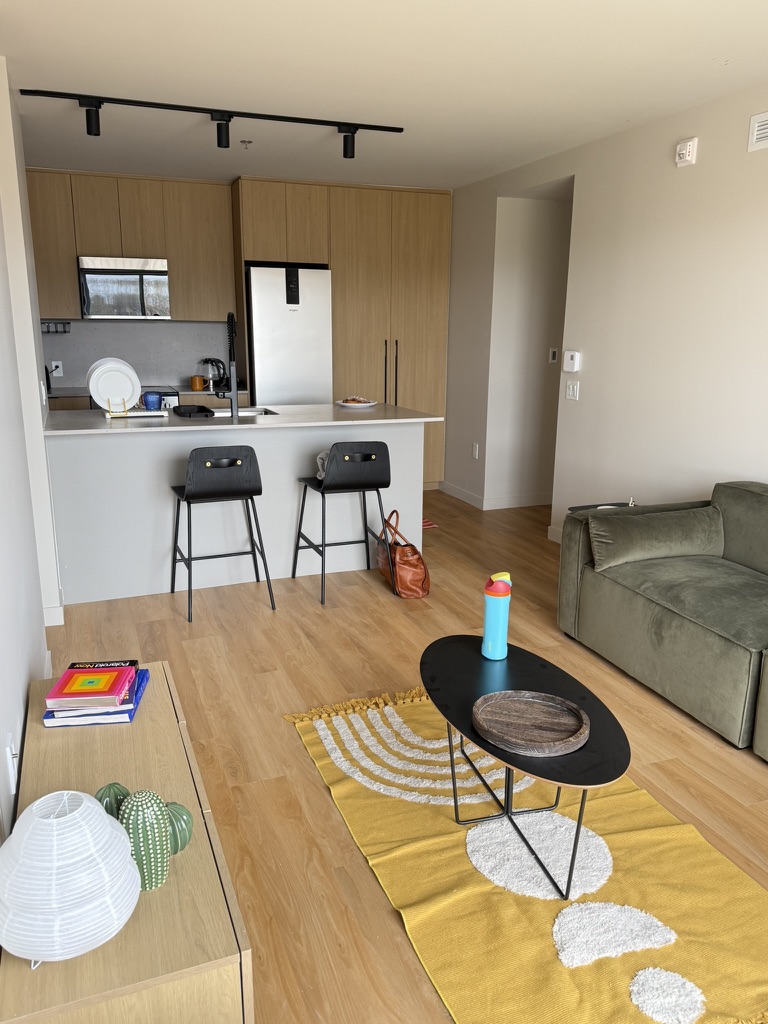
Choosing trusted student housing in Canada means your child can arrive ready to settle in instead of worrying about setting up an apartment from scratch. Not sure what makes purpose-built student housing different? Read our Ultimate Parent Guide to Student Life in Montreal for more tips on helping your student transition successfully.
3. Understand What’s Included
Before signing a lease, make sure you understand exactly what you’re paying for.
Ask questions like:
- Is the apartment furnished?
- Are utilities included?
- Is the internet included?
- Is there on-site maintenance?
- Are there additional monthly fees?
A slightly higher rent may actually save money if it includes furniture, utilities, and internet. Understanding the full cost helps avoid unexpected expenses after your student arrives.
4. Take Advantage of Virtual Tours
If you can’t visit Canada in person, schedule a virtual tour.
A reputable housing provider should be happy to walk you through the residence and answer your questions. During the tour, ask about building security, nearby transit, grocery stores, study spaces, and the move-in process for international students. Before your child arrives, make sure they understand the requirements for obtaining a Canadian study permit.
Choosing student housing in Canada becomes much easier when you can see the space and speak directly with the team managing the property.

5. Think Beyond the Apartment
Finding housing isn’t just about where your child will sleep—it’s about helping them build a successful university experience.
Living in a student community gives students opportunities to meet neighbours, study together, and adjust to life in a new city.
Purpose-built student housing often creates an environment where students can quickly make friends and feel supported during their first months away from home.
For parents, that’s one less thing to worry about.
Give Yourself Peace of Mind
Studying abroad is a big transition for the whole family.
By starting your search early, choosing purpose-built housing, understanding what’s included, taking virtual tours, and prioritizing community, you’ll help your child begin university with confidence.
At University Apartments, we provide trusted student housing in Canada for students studying in Montreal, Halifax, Charlottetown, and St. John’s. Our fully furnished communities are designed to make moving easier—whether you’re arriving from across the country or across the world.
Explore our residences today and discover why families trust University Apartments to help students feel at home from day one.

Sending your child to university is exciting. It’s also a little terrifying.
Whether your student is attending McGill University, Concordia University, UQAM, or another post-secondary institution in Montreal, there’s a good chance you’ll be helping them navigate housing, transportation, healthcare, and a completely new city from hundreds—or even thousands—of kilometres away.
The good news? Montreal is consistently ranked as one of the best student cities in the world. With a reliable public transit system, vibrant student community, and relatively affordable cost of living compared to many major North American cities, it’s a place where students can quickly feel at home.
To help make this transition easier, here’s a practical guide for parents preparing to send a student to Montreal.

Understanding Healthcare in Montreal
One of the first questions many parents ask is:
“What happens if my child gets sick while they’re away from home?”
While students should familiarize themselves with their school’s health services, many also use virtual healthcare platforms for non-emergency concerns.
One popular option is Maple, a Canadian virtual healthcare platform that allows users to connect with licensed healthcare professionals online. Services can include medical consultations, prescription renewals, and general health advice without requiring a visit to a clinic.

Before your student arrives in Montreal, it’s worth discussing:
- Health insurance coverage
- Prescription medications
- Emergency contacts
- Nearby clinics and hospitals
- Virtual healthcare options
Having a plan in place can provide peace of mind for both students and parents.
Learn the Montreal Metro System
If there is one thing that will impact your student’s daily life, it’s transportation.

Fortunately, Montreal has one of Canada’s most accessible public transit systems. Most students rely on the Montreal Metro and bus network to get to class, internships, grocery stores, and social events throughout the city.
Before move-in day, spend a few minutes familiarizing yourself with the STM (Société de transport de Montréal) system. Better yet, encourage your student to do the same.
Students can purchase an OPUS card, which provides access to Montreal’s buses and metro system and offers discounted student fares.
A basic understanding of the transit network can make navigating the city significantly less intimidating during those first few weeks.
Understanding Montreal’s Housing Market
Housing is often the biggest source of stress for both students and parents.
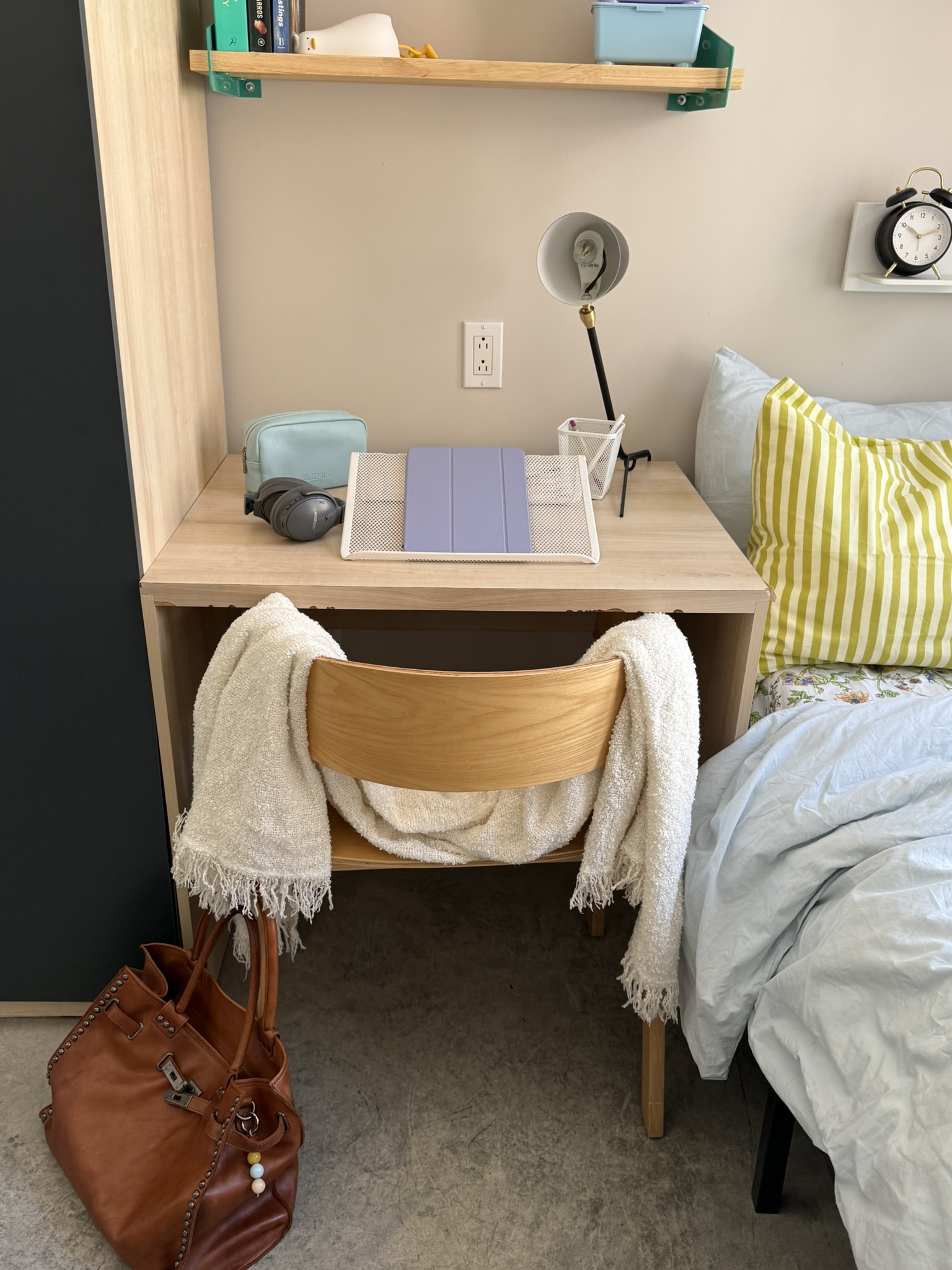
Montreal’s rental market operates differently than many other Canadian cities, which can make the process confusing for families unfamiliar with Quebec leasing practices.
One unique feature is that many leases traditionally begin on July 1, which is commonly referred to as “Moving Day” throughout Quebec. As a result, students often begin their housing search months before their intended move-in date.
For a complete breakdown of Montreal’s rental market, leasing process, and housing terminology, we recommend reading our guide:
Moving to Montreal as a Student: 5 Things to Know
What Parents Should Look For When Comparing Housing Options
When evaluating student housing, try focusing on the factors that will have the biggest impact on your student’s day-to-day experience.
Location
How close is the housing to campus?
Living near McGill, Concordia, or UQAM can significantly reduce commute times and help students feel more connected to campus life.
What’s Included in the Rent?
Not all rental prices include the same services.
Before signing a lease, make sure you understand whether the monthly rent includes:
- Heat
- Electricity (Hydro)
- Air conditioning
- Internet
- Furniture
- Laundry access
A lower rent price isn’t always the better deal if additional monthly expenses quickly add up.
Furnished vs. Unfurnished Housing
Many apartments in Montreal are rented unfurnished.
For students moving from another province or country, furnishing an entire apartment can become expensive and stressful very quickly.
Fully furnished housing often allows students to arrive with little more than their clothing, school supplies, and personal belongings.
Building Security
Parents should also consider building security features such as:
- Controlled building access
- Secure entry systems
- Well-lit common areas
- On-site management or support staff
Knowing your student is living in a secure environment can provide valuable peace of mind.
Student-Focused Amenities
Amenities may not seem important at first, but they can significantly impact a student’s experience.
Study rooms, fitness facilities, social spaces, and dedicated student common areas often help students build community and establish routines during their first year away from home.
Touring a Property From Another Province or Country
Many families are unable to visit Montreal before move-in day.
If that’s the case, don’t be afraid to ask for a virtual tour.
A quality virtual tour should allow both parents and students to see:
- The unit layout
- Common areas
- Building amenities
- Nearby surroundings
- Security features
Many student housing providers now offer virtual showings, making it easier to compare options without travelling to Montreal first. At PALAY, for example, prospective students and parents can schedule virtual tours to explore the building, amenities, and unit layouts before making a decision.
A virtual tour can often answer many of the same questions an in-person visit would.
Helping Your Student Prepare for Independence
Beyond housing and logistics, one of the most valuable things parents can do is help students prepare for everyday life.
Before move-in day, consider discussing:
- Budgeting and finances
- Grocery shopping
- Public transit
- Time management
- Emergency contacts
- Healthcare access
The more prepared students feel before arriving, the more confident they’ll be during those first few weeks away from home.
Final Thoughts
Sending your child to university is a major milestone—for both of you.
While there may be a learning curve during those first few months, Montreal offers students an incredible opportunity to grow, learn, and experience life in one of Canada’s most vibrant cities.
By understanding healthcare, transportation, housing, and student life before move-in day, parents can feel more confident supporting their student from wherever they call home.
We hope this guide helps make the transition a little easier. If you’re currently exploring student housing options in Montreal, you can learn more about our communities, amenities, and leasing process on the University Apartments website.

Spring officially sprung across our University Apartments communities this May.
From Newfoundland to Prince Edward Island, students experienced everything from playoff hockey and Formula 1 excitement to iceberg sightings, local markets, move-ins, and community events.
As students wrapped up exams, started summer jobs, and settled into new homes, each of our property locations had something unique happening.
Here’s a look back at May across our communities.
Wester-Land | St. John’s, Newfoundland and Labrador
If there is one thing that signals the arrival of spring in Newfoundland, it’s iceberg season.

Throughout May, residents across St. John’s were treated to some of the province’s most iconic sights. Icebergs began appearing along the coastline, puffins returned to nesting grounds, and moose became increasingly active as temperatures slowly started to rise.
While spring arrived a little later than some parts of Canada, there was no shortage of things to do. Students could enjoy hiking trails, coastal viewpoints, local music events, and the unique scenery that makes Newfoundland unlike anywhere else in the country.
May also brought exciting news for future residents as Wester-Land launched its Early Bird Pricing promotion for students planning their September move-in.
Looking ahead, June is shaping up to be another exciting month in St. John’s, with local events including the Good Vibes Market and the Best Kind Barbecue Festival helping kick off summer across the city. Students can explore upcoming events through the Destination St. John’s Events Calendar.
If you were in Montreal this May, there was one thing you couldn’t escape: energy.
The city came alive as the Montreal Canadiens continued their incredible playoff run, advancing all the way to the Eastern Conference Final. Bell Centre watch parties, packed restaurants, and Canadiens flags throughout the city created an atmosphere students won’t soon forget.
At the same time, Montreal prepared for one of the biggest events on its annual calendar: the Formula 1 Canadian Grand Prix, one of the city’s largest tourism and entertainment events. For the first time, the Grand Prix weekend overlapped with a Canadiens playoff run, creating a truly unforgettable month for sports fans across the city.
Closer to home, May was also move-in month for many new residents at PALAY and St-Dom.
Over the past month, students from around the world arrived in Montreal and officially began calling our communities home. Whether moving from another province or another continent entirely, we are thrilled to welcome so many new faces to the University Apartments family.
Across Quebec | Behind the Scenes
May was also a big month behind the camera.
Throughout the month, our Quebec properties participated in new photo and video shoots designed to showcase student life, apartment living, and the communities being built inside each property.
What made these shoots especially meaningful was the participation of our residents.

Many students volunteered their time to help us capture authentic moments that reflect what living in our communities actually looks like—from studying and relaxing to spending time with roommates and friends.
The result is a collection of content that feels genuine, personal, and representative of the students who call our buildings home.
For students new to the city, summer is one of the best times to explore Montreal’s festivals, neighbourhoods, and student-friendly attractions through Tourisme Montréal’s summer event guide.
We can’t wait to start sharing more of it with you throughout the summer.
Brown’s Court | Charlottetown, Prince Edward Island
As the weather warmed up, Charlottetown’s event calendar quickly filled with local markets, live music, community gatherings, and outdoor activities.
One event we especially enjoyed was a local thrift market where we picked up several unique pieces for our Brown’s Court showroom unit. Supporting local vendors while discovering one-of-a-kind décor? That’s a win-win in our books.
The finds from that market will soon make their debut in upcoming Brown’s Court content as we prepare for our June photo and video shoot.
Like many PEI summers, the season is already shaping up to be full of community events, local festivals, and plenty of opportunities for students to explore everything the island has to offer.
Students looking for upcoming markets, festivals, and live music events can browse the Discover Charlottetown Events Calendar.
Looking Back on May
Every month brings something new to our communities.
Whether it was spotting icebergs in Newfoundland, celebrating playoff hockey in Montreal, welcoming new residents, participating in content shoots, or exploring local markets in Prince Edward Island, May reminded us how unique each of our student housing communities truly is.

But our favourite part of every month remains the same: helping students find a place to call home.
From fully furnished apartments and inclusive pricing to communities designed specifically for student life, we’re proud to support students across Canada as they begin new chapters.
As we turn the page to June, we’re excited to see what the summer has in store.
Interested in finding your student home for September? Explore our available communities, pricing, and leasing information through the University Apartments website.
Happy May, everyone.
June, we’re ready for you!
Moving to Montreal as an international student is exciting — but finding housing in a completely new city can be overwhelming. Between unfamiliar neighborhoods, different leasing rules, and endless rental listings, knowing where to start can be the hardest part.
Whether you’re moving from the United States, France, Australia, China, or anywhere else in the world, this guide will help simplify the process of finding student housing in Montreal.
Start With Student-Focused Housing Platforms
Most students immediately turn to Facebook Marketplace — and honestly, it can be a great place to start. Platforms like Facebook Marketplace, Realtor.ca, and Centris all have active rental listings throughout Montreal.
But if you’re moving to the city for the first time, these platforms can sometimes feel difficult to navigate. If you don’t already know the neighbourhoods, transit system, or rental market, it can be hard to tell which listings are actually student-friendly.

One of the biggest advantages of Montreal is that the city has a strong network of purpose-built student housing options.
If you’re coming from Europe or Australia, you may already be familiar with student accommodation companies like Scape. Similar student-focused housing options also exist throughout Montreal, offering an alternative to traditional apartment hunting.
Purpose-built student housing (PBSH) is housing specifically designed for students, with furnished units, study spaces, student-focused amenities, and locations close to campus. Unlike traditional apartments, it’s built around how students actually live, study, and socialize.
If you want a more detailed breakdown of PBSH, you can read our previous article here:
What Is Purpose-Built Student Housing?
To explore your options, try searching:
- “student housing Montreal”
- “furnished student apartments Montreal”
- “international student housing Montreal”
- “Montreal student residence alternatives”
These search terms will give you a much clearer picture of the student housing companies and rental styles available throughout the city.
Understanding a Quebec Lease
The leasing process in Quebec can look very different compared to other provinces — or other countries entirely.
Here are a few important things international students should know:
- In Quebec, leases automatically renew unless proper notice is given
- July 1 is the province’s traditional moving day, making spring the busiest rental season
- Quebec uses a standardized lease regulated by the Tribunal administratif du logement (TAL)
- Security deposits are generally not allowed in Quebec
Understanding these differences early can help international students avoid confusion during the leasing process.
Learn From Other Students
One of the best ways to understand Montreal’s housing market is by hearing directly from other students.
The Montreal student housing Facebook groups are extremely active and are commonly used for:
- Apartment listings
- Sublets
- Roommate searches
- Student advice
- Rental recommendations
Another great resource is Reddit. International students frequently use Reddit to ask honest questions about moving to Montreal, neighbourhoods, transportation, and rental experiences.
Helpful communities include:
Some common questions students ask include:
- “What are the best neighbourhoods for students?”
- “Is this rental company legitimate?”
- “How difficult is it to rent without Canadian credit?”
These platforms can give you real insight into student life before you even arrive in Montreal.
Pro Tips for International Students
Before signing a lease, keep these two things in mind:
Furnished vs. unfurnished apartments
Always check listings carefully for the word meublé (furnished). In Quebec, many unfurnished apartments may not include appliances like a fridge or stove.

Understand Quebec apartment sizes
Apartment listings in Montreal are often advertised as 3½ (3.5) or 4½ (4.5), which can be confusing for international students. The number refers to the total number of rooms, while the “½” represents the bathroom. For example, a 3½ typically includes one bedroom, a kitchen, a living room, and a bathroom. A 4½ includes two bedrooms. Many international students mistakenly assume a 3½ means three bedrooms, so it’s important to understand the local terminology before starting your apartment search.
Stay close to public transit
Montreal students rely heavily on the Montreal Metro. Living within a 10–15 minute walk of a metro station can make commuting to class significantly easier year-round.
Moving abroad is already a major transition. Finding housing shouldn’t make it harder. With the right platforms, resources, and understanding of the Montreal rental market, international students can make the process much smoother before arriving in Canada.
Happy studying — and welcome to Montreal.