Westie Life | Newsletter
November Programming

WESTER-LAND BLOC PARTY
Join us for live music from by The Navigators, an interactive stamp-art activity led by Jud Haynes and Whatisadam, and free local food by Johnny Mae’s Food Truck, all reinforcing the project’s theme of being a good neighbour and celebrating community connection.
*Please RSVP if you intend on coming so we can correctly staff the event!
When: November 6th; 3-6PM
Where: Wester-Land (6 Lambe’s Lane)
RSVP

MONDAY MORNING COFFEE
Come chill and have a complimentary coffee with us! BYOM (Bring your mug).
When: Every Monday 9-10AM with Chris
Where: Puffin Game Hall

WELL STUDIO YOGA
Breathe in, stretch out. Weekly free classes in the Well Studio with Ingrid.
*By reservation only. Spaces are limited.
When: Tuesday 4:30-5:20PM & 5:30-6:20PM
Where: Well Studio
Reserve Spot
MUN MINDS – WELLNESS WEDNESDAY
Connect. Create. Unwind. Activities that reimagine what mental health support feels like.
When: Wednesday 6:30-7:30PM
Where: Well Studio

QUIET/STUDY HOUR
Focus and connect. Study, your way, solo or with new friends from your program.
When: Thursday 6:30-7:30PM
Where: Puffin Games Hall

PUFFIN FRIDAY GAME NIGHT
End your week the right way with games, laughs and good vibes only. From Uno and Monopoly to poker, we’ve got it all!
When: Friday 4:30-6PM
Where: Puffin Games Hall
Moving into Newfoundland student apartments or your first off-campus housing near MUN, CNA, or Academy Canada? Welcome to the era of new people, awkward introductions, and figuring out who your people are. If you’re nervous about making friends—or just want to avoid being stuck with no one to sit next to in class — this one’s for you.
Join a Club. No, Seriously.
Yes, it looks great on a resume. But more importantly, clubs are where you find real friends. I used to think I was “too cool” to join a club in university (translation: I thought it was lame), and I genuinely regret it. Sure, you might have to do a few things you’d rather not, but most of it? It’s fun.
Clubs bring together every type of person — bookworms, extroverts, introverts, and the “too cool to be here” crowd. You’ll meet people you wouldn’t cross paths with otherwise, and that’s what makes it work. Not in a group project kind of way — actually on your own terms.
If you’re going to MUN, check out this list of clubs and societies. There’s really something for everyone.

Pick a Seat With Potential
On the first day of class, sit next to someone you think looks like a future friend. Yes — judge the book by its cover. In most lecture halls, where you sit on Day One ends up being your spot for the next four months. So why not sit beside someone who gives “future friend” vibes?
Not sure how to start the convo? Go with, “Did you buy the textbook yet?” or “Have you taken a class with this prof before?”— literally anything works. No one thinks it’s weird. Everyone around you is just as nervous. Be the person who says hi first. Wouldn’t you rather be nervous with someone else?
Always Say Yes
Okay, maybe not always, but in Week One? Say yes to as much as possible. Go to the soccer game, even if it’s not your thing. Say yes to that ice cream run you didn’t really feel like going on (liar). It’s not about the activity — it’s about becoming familiar, fast. Show up and you’ll stay top of mind for other people. They’ll become top of mind for you too.
Bonus Tip
Also? Hang out on campus. I know, ew. But hear me out — you’re paying a lot for your school, so why not at least exist there? A big bonus of meeting people on campus is that they usually turn into “study friends.” And that means actual productivity. It’s a win-win.
Friends for the Phases (but Maybe More?)
If there’s one thing university is really good for, it’s giving you friends for the moment — people who show up exactly when you need them. I mean this in the most genuine way possible: your party friend, your study buddy, your “we met during Frosh Week and trauma bonded” friend. Not every friendship needs to last forever to matter.
There’s absolutely nothing wrong with being friends with Jenny for one semester because you two have the best time together every Friday. You might only hear from her on Thursdays to see what your plans are — but hey, for the plot, right? These people — the weekend friends, the library regulars, the roommates who become like family — all of them shape your university experience in different ways.
Whether you meet your soulmate roommate in your shared student apartment or someone who just makes your Mondays a little easier, it all counts. And it’s all worth it. So keep calm… and text your random lab partner from first year. You never know…
Having a balanced life in university might be one of the only times in your life when you can actually pull it off. Why? Because you’re surrounded by people going through the exact same chaos — and you’re expected to be a little wild, a little free, and a little all over the place.
This time in your life isn’t just about nose-in-a-book or bottoms-up at the bar. It’s about both. And honestly? St. John’s is the perfect place to figure that out — you can study all day and hit George Street with your friends at night. That kind of balance? You won’t find it forever. So here’s how to make the most of it while you can.
First Year Freefall
If you’re moving into shared student apartments or settling into off-campus housing near MUN or CNA, chances are you’re living on your own for the first time. And for a while, it’s euphoric. You can skip class, order pizza at 3AM, and say yes to everything without anyone stopping you.
And that’s the problem.
At first, university feels like parties and light lectures. But October hits, and suddenly there are midterms. November rolls around, and you’re exhausted, behind, and overwhelmed.

How to Sort Of Get Your Life Together
Here’s the truth: say yes to going out. Seriously. Go when your friends ask — even if you have something due. No, you don’t need to get wrecked every time, but you do need to be young while you’re allowed to be.
But come Monday, lock in. Get up, have a routine, and treat the week like a job. Do your readings. Go to class. Knock out your work by Friday so your weekend’s free. And most importantly, study where you focus best — not just where your friends go. You’ll see them Saturday night anyway.

Final Notes (From Someone Who’s Been There)
Eat real meals. Sleep when you can. Say yes to weird plans. Because when you think back on your time in college in Newfoundland, you’ll remember your GPA or that one group project that made you want to drop out — but more importantly you’ll remember being on George Street until sunrise, cheering at that basketball game, getting a sweet treat when you should’ve been study, and the people who turned your apartment into something that felt like home.
Live your life. Because now, it really is yours.
So you landed a furnished apartment near MUN, CNA, or Academy Canada — congrats! That’s a huge step, and it’ll save you from lugging a couch up three flights of stairs. But “furnished” doesn’t mean move-in ready. There’s still a bunch of stuff you’ll need to do to make the space feel like home.
Bedroom Essentials You’ll Actually Use
Let’s start with the basics: bring bedding. Yes, the apartment might have a mattress, but you’ll need your own sheets, duvet, and pillows. Towels, hangers, a laundry hamper, and even a small rug go a long way in making your space feel more like your space. I also suggest a full-length mirror and a small desk lamp – and you’ll thank yourself when you’re doing 10PM study sessions.
Something you won’t realize until you move in: you’ll miss seeing the people you love. Pack a few printed photos. Trust me—you appreciate seeing their faces more when you’re not around them every day. And while you’re unpacking, make sure you’ve got your speaker, charger, and headphones. Unpacking is boring. At least make it boring with good music.
School Supplies (But Only What You Need)
School supply-wise, don’t go overboard. Grab 3–5 loose-leaf notebooks and a notepad or two. And here’s a solid grad tip: do NOT buy your textbooks until your professor tells you to — in class. Half of them won’t be used. Save your money. Thank me later.

Shared Space Strategy: Kitchen, Living Room, and Bathroom
Now if you’re living in a shared space, the kitchen and bathroom get trickier. My advice? Bring a throw blanket and extra pillow for the living room, dishcloths, dish soap, hand soap, and a basic cutlery set (knives, forks, spoons).
Controversial opinion here, but I don’t think you need a full plate, pot, and glassware set. If you’re living with friends, you’ll probably share. If you’re with people you don’t know, bring 2–3 plates, a couple of bowls, and one big and small pot or pan. That’s all you need — and less stuff means fewer dishes to clean.
Cleaning Supplies You’ll Thank Yourself For
Speaking of cleaning… bring everything. A small vacuum (grab one from Canadian Tire or Walmart), paper towel, cleaning spray, even a Swiffer. You’ll feel way better in a clean space.
For the bathroom, bring toilet paper (yes, even if your roommates do too), extra hand towels, hand soap, a bathroom mat or two, and either Tide pods or detergent. Maybe even a bit of Febreze. You’ll be glad you did.
Don’t Panic Buy – Wait Till You Move In
One more kitchen tip: don’t rush to buy everything. You’re probably not cooking a big meal your first few days. Wait until you get to your apartment and meet your roommates — especially if you don’t know them yet. Chances are, someone already brought a toaster. And while you’re at it, toss in an ice cube tray and a bottle opener. You’ll forget, and then wish you didn’t.
Unpack Like a Pro
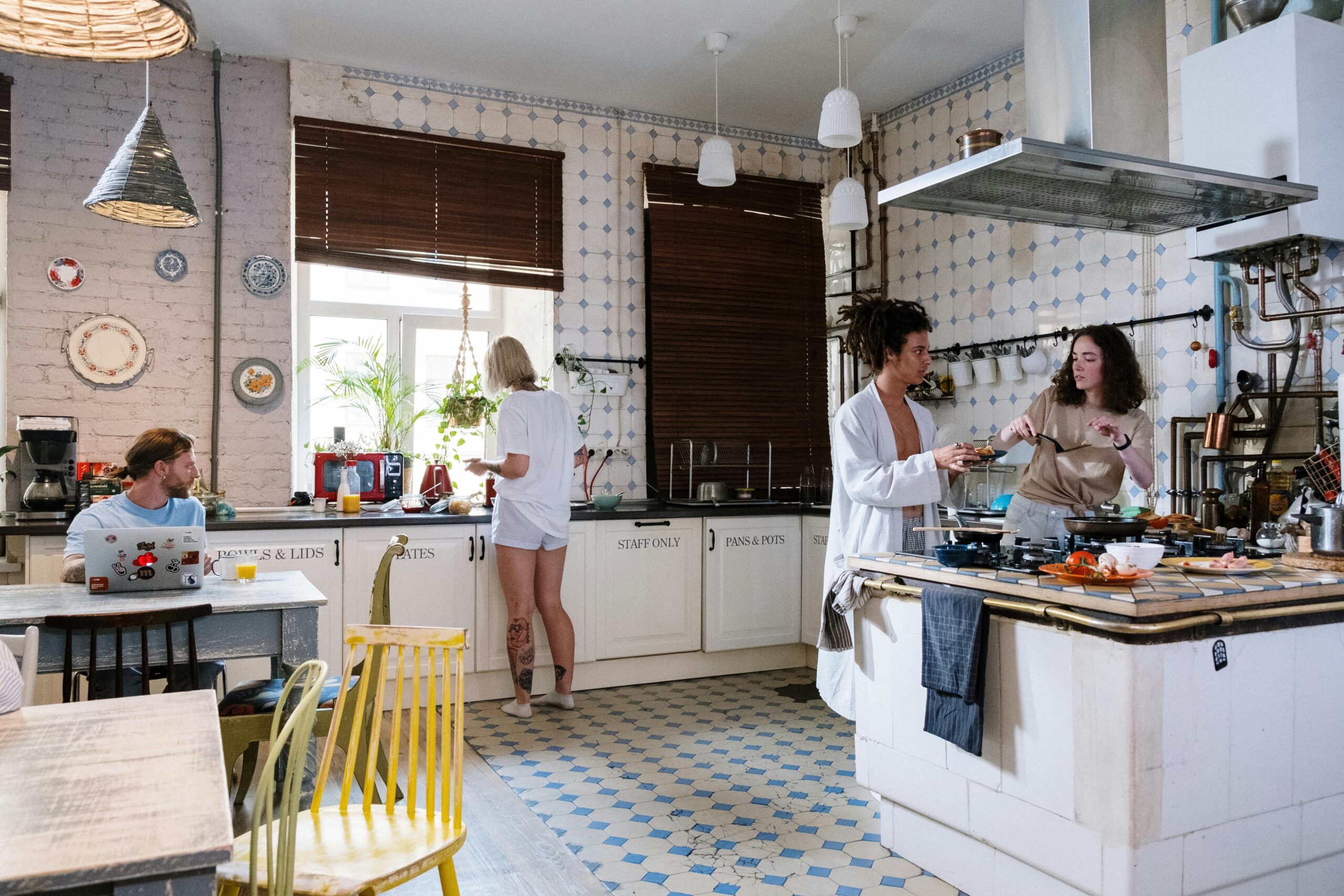
Unpacking in a furnished space is easier, but it still sucks. Start with the kitchen, bathroom, and living room — it’s shared space, so it’s easier to get through first. Then move to your room. One last tip: set up your space before you unpack your clothes. It’ll make the process way less chaotic.
Final Advice: Go In With An Open Mind
Whether it’s your first year or your fourth, moving into a student apartment is a fresh start. Keep an open mind, be flexible, and enjoy it. The right space helps get your head in the right place. Good luck — and happy packing!