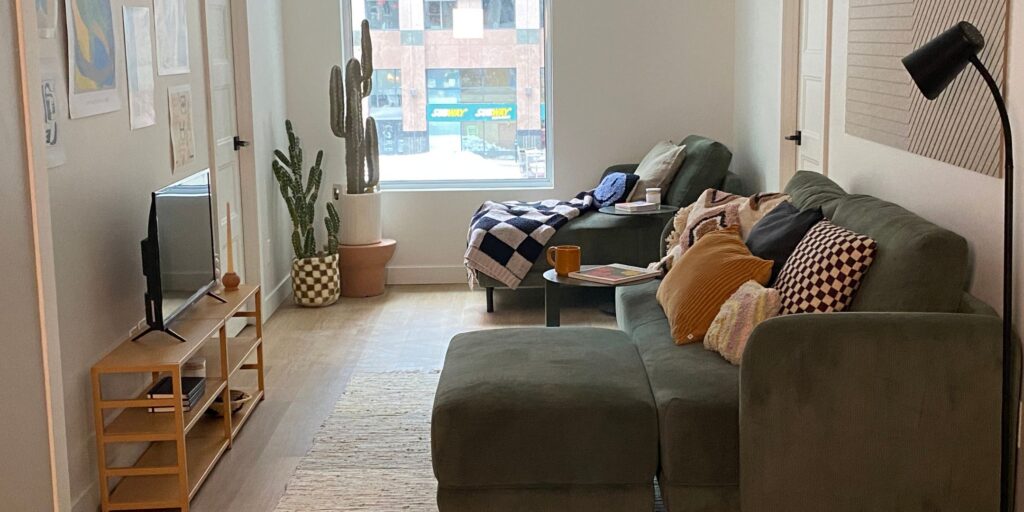
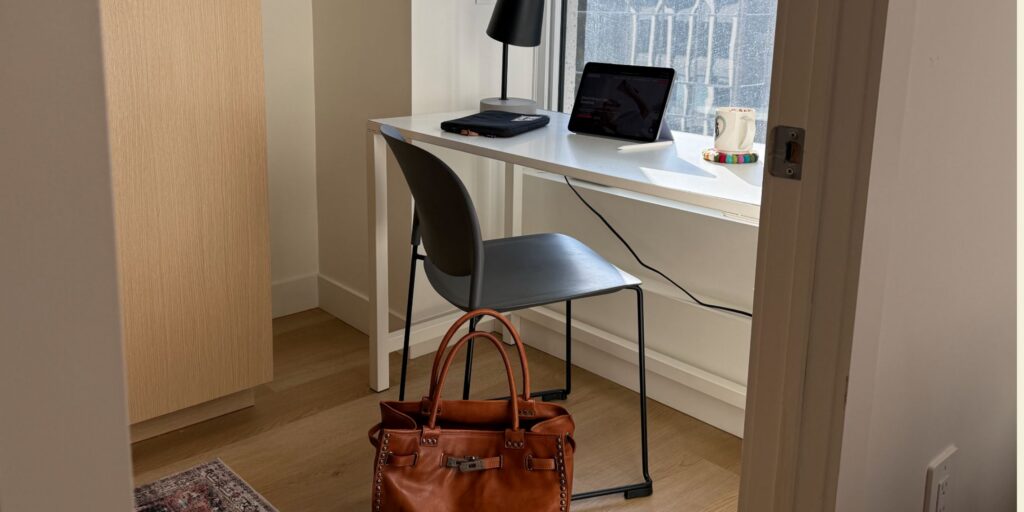
Purpose built student housing might sound like an obvious concept—housing for students—but it goes far beyond that.
These spaces are designed specifically for student life, starting from the earliest planning stages through to move-in day.
Let’s break down three keys to Purpose Built Student Housing:
The different types of housing
What sets University Apartments apart
The benefits of living in a student-focused building
1. The Main Types of Student Housing (and what’s overlook)
Residence (On-Campus Housing) For many students, residence is the first—and sometimes only—housing option they consider. Universities like McGill and Concordia residents offer a range of on-campus options.Typically located on or near campus, often including shared rooms or multi-bedroom layouts with communal spaces.
While residence offers convenience and built-in community, it can feel restrictive. Limited privacy, mandatory meal plans, and structured rules can make it feel more like a temporary solution than a long-term fit.
Off-Campus Rentals After first year, many students move into traditional rentals—apartments, condos, or shared houses off campus. These offer more freedom, space, and independence.
However, that independence comes with responsibility. Managing utilities, furnishing a space, coordinating roommates, and handling maintenance can quickly become overwhelming.
In addition, understanding Tribunal administratif du logement regulations is also essential, as students are fully responsible for lease agreements and tenant obligations.
Purpose Built Student Housing This is where purpose built student housing stands out. It combines the best aspects of residence and off-campus living.
Lets use Palay as an example – students get the independence of a private apartment, along with the convenience of furnished spaces, fixed utilities, and amenities designed specifically for their lifestyle. From study rooms to fitness spaces, every detail is created with students in mind.
2. What Makes University Apartments Different
While purpose built student housing is growing in popularity, not all providers take the same approach.
Projects are designed from the inside out—starting with how students actually live day-to-day. Every decision is informed by data, ensuring spaces are functional, efficient, and aligned with student needs.
That perspective continues to shape every development—creating spaces that are not only purpose-built, but experience-driven.
Key priorities include:
Location: Minutes from campus
Fully furnished units: Move-in ready
Fixed costs: Utilities and internet included
Security: Designed with both students and parents in mind
Affordability also plays a central role, with efforts to keep costs manageable and provide additional support where possible.
As a certified B Corporation, sustainability is also integrated into every stage of development, from design to construction.
3. The Real Benefits of Student-Focused Living
Choosing purpose built student housing offers clear advantages for students navigating a major life transition.
Walkable locations: Less time commuting
Student-focused amenities: Spaces designed for studying, socializing, and wellness
Fully furnished living: No need to source or move furniture
All-inclusive pricing: Predictable monthly costs. One bill
On-site support: Maintenance and management readily available
Built-in community: Living alongside people in the same stage of life
These features reduce stress and allow students to focus on their academic and personal growth.
Final Thoughts
Final Thoughts: A Smarter, Stress-Free Way to Live During University
At its core, purpose built student housing is about more than just a place to live—it’s about creating an environment where students can thrive.
University is a transitional chapter. Your living space should support that experience, not complicate it.
Instead of adapting to a space that wasn’t designed for you, purpose built student housing offers a smarter, more intentional way to live during your university years.
Position(s) Available: 1 position – Montreal, or Trois-Rivières
Employment Type: Contract FT
Wages: $20-25 an hr, depending on experience
Hours: 9-5 M-F but hours are irregular during leasing season (occasional weekends & evenings)
Language Requirements: Fluent in written and spoken English & French
We need someone who’s hungry, smart, accountable & bold, and who is genuinely excited to match great tenants with great spaces. If you were the person in group projects who basically carried the whole team (and low-key liked it), this is your moment. We’ll teach you the entire leasing game.
This job is also for the outgoing humans. You won’t be glued to your laptop 24/7—you’ll be out meeting people, giving tours, chatting, connecting, vibing. (You still get a cute desk by a window with a plant. We’re not monsters.)
If you’re the kind of person who can walk into a grunge basement show or a fancy opera night and somehow feel perfectly at home in both, you’re definitely our type. Adaptable. Social. Good energy.
Bonus points if you were involved on campus at McGill, Concordia, or any local college—clubs, sports, student leadership, event planning… if you were “that person” on campus, we want you.
RESPONSIBILITIES
Key Responsibilities:
Serve as the primary point of contact for tenant inquiries, ensuring exceptional customer service.
Post & manage several classified ads through Facebook account
Manage and respond promptly to all inbound leasing inquiries via phone, email, text and in-person.
Consistent follow up and nurturing inbound leads via our CRM Hubspot & Sales Message.
Maintaining CRM hygiene standards by organizing leads with required properties, thorough notes, and completing all assigned tasks within 24 hours of assignment.
Qualify leads & conduct virtual property tours to prospective tenants, highlighting key features and benefits. Handle objections and convert leads to leases at a high conversion rate.
Work with the administrative team to close leases and ensure all documentation is completed in a timely manner by the tenant.
QUALIFICATIONS
Fluent in speaking French & English
Able to work at our Montreal office or from home – flexible
Sales experience is an asset but not required.
An education in marketing, business, sales, finance, or communications will set you apart but is not required.
The ideal candidate has experience in a hospitality role. Maybe you’ve worked in a hotel or restaurant, or provided customer service in a student-centric environment.
Candidates must possess the following characteristics to be successful in this role:
Independence
Resiliency
Flexibility
Empathy
Strong interpersonal skills
Competitiveness
Confidence
Enthusiasm
Leadership
Excellent organizational and time management skills to handle multiple tasks simultaneously.
Strong attention to detail and ability to deliver accurate and quality work.
Experience in using a CRM like Hubspot is an asset.
Strong communication and interpersonal skills.
Ability to work both independently and collaboratively within a team.
Willingness to learn and adapt in a fast-paced environment.
We aren’t looking for perfection, far from it, but we hope that you enjoy building things that others find useful and that you appreciate how your work impacts your coworkers, your community, and your planet.
What is University Apartments?
At University Apartments, we manage beautiful and affordable student housing to ensure that students across Canada can make the most of their university experience. It’s our priority to offer the best furnished accommodations for students in our cities, with a focus on good management, convenience and safety in our buildings.
We incorporate our core values of diversity, discovery, and design in everything we do, in every student apartment we build, and in every student community we foster. We aim to support students of all backgrounds, perspectives, cultures, identities, orientations, and experiences.
Our fully furnished student apartments are tailored specifically to students’ needs, like lots of storage with individual and common study spaces. Sustainability is of utmost importance to us. We monitor the environmental impact of all of our design and construction choices.
University Apartments is strongly committed to equity and diversity within its community. We encourage applications from racialized persons/visible minorities, women, Indigenous persons, persons with disabilities, ethnic minorities, and persons of minority sexual orientations and gender identities, as well as from all qualified candidates with the skills and knowledge to productively engage with diverse communities.
When do I start looking for student housing in Montréal? It’s one of the most important questions you’ll ask before moving to the city—and it can completely shape your experience.
Leave it too late, and you’re dealing with limited options, higher prices, and unnecessary stress. Start early, and you get better locations, better pricing, and more control over your student rental in Montreal.
So, when should you actually start?
When to Start Looking for Student Housing in Montréal
The ideal time to start looking for student housing in Montréal is 3 to 6 months before your move-in date.For most students moving in September, that means starting your search between January and May. If you’re planning a summer move (May–July), starting even earlier gives you a serious advantage.
Why Timing Matters When Looking for Student Housing in Montréal
Montréal has a unique rental cycle that directly affects availability.
Most leases in Montréal begin on July 1st—known as Québec’s moving day—which creates a city-wide surge in demand. If you’re unfamiliar with how this impacts the rental market, this guide to Québec’s July 1st moving daybreaks down why availability drops so quickly.
At the same time, Montreal student housing follows the academic calendar, meaning competition builds quickly leading into the fall semester.
Location makes things even more competitive. Areas like downtown Montréal (near McGill and Concordia), Milton-Parc, and the Plateau are usually the first to fill because they offer walkability, transit access, and proximity to campus.
Because of this, starting your search in the winter months gives you access to more listings, better pricing, and a wider selection of student apartments in Montréal before demand peaks.
The truth is: the earlier you start looking for apartments near McGill, the more options you’ll have—and the less rushed your decision will feel.
What Happens If You Start Looking for Student Housing Too Late?
If you wait too long to start looking for student housing, your options shrink fast.
You’ll likely run into:
Fewer units in desirable locations
Higher prices due to demand
Limited flexibility with lease terms or roommates
Pressure to commit quickly
Instead of choosing what fits your lifestyle, you end up choosing what’s left—which is not the vibe.
Why Starting Early Matters When Looking for Student Housing
Starting early isn’t just about avoiding stress—it puts you in control.
You’ll have more time to:
Compare different buildings and layouts
Lock in better pricing before demand increases
Coordinate roommates without rushing
Take advantage of early promotions
Exploring student apartments in Montréal ahead of time—especially fully furnished, student-focused options—helps you understand what’s available.
What to Look for When Searching
Once you’ve figured out when to start looking for student housing, focus on what actually matters day-to-day:
Location near campus or transit (McGill, Concordia, UQAM)
Budget and what’s included (Wi-Fi, utilities, heating)
Furnished vs. unfurnished units
Amenities like study spaces, gyms, and security
Lease flexibility and move-in timing
If you’re unsure where to start, browsing trusted options like student apartments near McGill can give you a clearer sense of pricing, layouts, and what’s standard in Montréal.
Best Timeline to Follow
Here’s a simple breakdown to stay on track:
6+ months before (Jan–Feb): Research areas, set your budget, explore options 3–5 months before (Mar–May): Tour units, apply, secure your place 1–2 months before (Jun–Jul): Finalize paperwork and plan your move Last minute (Aug–Sep): Limited options—be ready to act fast
Final Thoughts: Start Early, Thank Yourself Later
At the end of the day, knowing when to start looking for student housing gives you more control, better options, and a smoother move into Montréal.
The earlier you start, the more choice, flexibility, and confidence you’ll have—not just in your apartment, but in your entire university experience.
Because where you live isn’t just a place to sleep—it’s where your routine, your friendships, and your life in Montréal actually begin.
See you next week,
Olivia Lee
How to live in a small apartment is something almost every university student learns quickly after moving out for the first time. If you asked your ten-year-old self what your first apartment would look like, chances are the reality would be very different—and that’s okay.
Your first university apartment is rarely large. In fact, smaller spaces are often the norm for students balancing affordability, location, and proximity to campus. The good news is that living in a smaller space doesn’t mean sacrificing comfort or organization. With the right mindset—and a few strategic tools—you can turn a compact apartment into a space that works efficiently for studying, relaxing, and everyday life.
Here are a few practical strategies for how to live in a small apartment while keeping your space organized and functional.
1. Use Smart Storage to Stay Organized
Many student residences—such as those developed by University Apartments—come fully furnished with the essentials. However, adding a few inexpensive organization tools can make everyday living much easier.
Here are five simple storage solutions from IKEA that work especially well in smaller apartments:
Rolling Utility Cart (RÅSKOG or NISSAFORS) – movable three-tier storage that works beside desks, beds, or in bathrooms.
SKUBB Storage Boxes – foldable boxes that slide under beds or inside closets to organize clothing and accessories.
KALLAX Cube Shelf – versatile vertical shelving that works as a bookshelf, storage unit, or room divider.
VARIERA Shelf Insert – creates extra levels inside cabinets, desks, or closets to maximize space.
VESKEN Narrow Storage Cart – slim vertical storage perfect for tight spaces like bathrooms or beside desks.
2. Organization Starts with Packing
Learning how to live in a small apartment actually begins before you even move in.
The biggest mistake students make when moving to university housing is trying to bring everything they own. Smaller spaces require a more thoughtful approach. Prioritize essentials and leave items that you realistically won’t use on a daily basis.
Packing intentionally not only simplifies moving day—it also prevents clutter from building up in your apartment after you arrive.
3. Choose Housing Designed for Student Living
Another important factor when considering how to live in a small apartment is choosing a space designed with students in mind.
Residences like Palay demonstrate how thoughtful design can make smaller spaces feel far more functional. Student apartments at Palay include built-in wardrobes, overhead storage near the bed, and additional shelving that helps maximize every square foot.
The kitchens are designed with enough cupboard space for roommates to share comfortably, while bathrooms include built-in cabinets to keep toiletries organized. These types of design details make a significant difference when multiple students are living in the same apartment.
When storage is integrated into the layout itself, smaller apartments become much easier to manage.
Your First Apartment Is a Starting Point
Your first university apartment is not meant to be your forever home.
In many ways, it’s the space that teaches you what works—and what doesn’t—for the places you’ll live in later. Smaller apartments encourage better organization, smarter storage habits, and a clearer understanding of what you actually need.
Learning how to live in a small apartment is simply part of the process of becoming independent.
And while your first place may be compact, it’s also where some of your most memorable university experiences will begin.
See you next week,
Olivia Lee
The psychology of feeling at home explains why certain spaces instantly feel comfortable while others remain unfamiliar.
“Homebody.” “There’s no place like home.” “Homesick.” “This feels like home.”
Most of us can recognize when a place feels like home—but identifying that feeling is more complex than it seems. Psychologists have found that our sense of home is shaped by emotional attachment, feelings of security, and how well a space reflects who we are.
For students leaving home for the first time, these factors become especially important. Moving to a new city, new school, and new living environment can disrupt routines and familiarity all at once. That’s why purpose-built student housing communities – like those developed by University Apartments – are designed to help students feel comfortable and settled more quickly.
Here are three psychological factors that explain how a place begins to feel like home.
1. Place Attachment
The first concept is place attachment, which refers to the emotional bond people develop with their physical environment. This connection forms through personal experiences, routines, and memories.
Think about your childhood home. You likely spent years there—celebrating milestones, forming daily routines, and building memories. That consistency creates a strong psychological connection between people and places.
When students move away for university, that attachment is temporarily interrupted. Creating a new sense of home takes time, which is why environments designed specifically for student living can make a difference. Communities such as Palay aim to create spaces where students can quickly develop routines, connect with others, and begin building new experiences that strengthen that sense of place.
Think back to when you were afraid of the dark as a child. Many people instinctively called for a parent. That reaction existed because those people represented safety and reassurance.
Physical spaces can create that same psychological response. When a place provides security, belonging, and familiarity, it begins to feel less like a temporary location and more like home.
For students balancing academic pressure, social changes, and independence for the first time, having a space that feels calm and predictable can reduce stress. Environments that support both privacy and community help create that sense of comfort.
Simply put, home should be a place where you feel safe when you close your eyes at night.
University is a major period of personal growth. Students develop new interests, friendships, and goals that shape their identity. The spaces they live in often become part of that journey.Student housing communities created by organizations like University Apartments are designed with that transition in mind. Residences such as Palay
aim to provide environments where students can focus on studying, building connections, and preparing for the future.
In many ways, these spaces represent more than the present moment—they reflect the next stage of life.
Why “Home” Matters During University
Home is more than just four walls.
For students, university is one of the biggest life transitions they will experience. The meaning of home shifts—from a place defined by family routines to a place shaped by independence and new experiences.
Places become meaningful when they are connected to memories. Late-night study sessions, new friendships, celebrations, and everyday routines all attach emotional meaning to the spaces where they happen.
That’s why feeling at home isn’t determined by how long you’ve lived somewhere.
It’s determined by how connected you feel to the environment around you—and the experiences that unfold within it.