
When students start looking at rent prices, it’s easy to get the sense of:that’s not too expensive.
But renting an apartment is more than just the base rent. Hidden costs can quickly turn I can afford this into what have I done before midterms start.
For most students, renting an apartment is their first time managing real financial responsibility. Without experience, it’s easy to assume the listing price will be your only monthly expense. What often gets missed, however, is the true cost of renting for students—and how much goes beyond the sticker price.
This article breaks down both the financial and psychological realities of renting your first apartment.
1. The Financial Costs That Add Up Quick
Rent is the obvious starting point—but it’s far from the only expense.
Most off-campus apartments don’t include utilities or internet in the listing price. That means your “$900/month” apartment can quickly become much more depending on usage. Heating, electricity, and water fluctuate—especially during winter—making it harder to budget consistently month-to-month.
Furniture is another major cost students underestimate. Even if you bring a few items from home, it’s rarely enough. Outfitting an apartment from scratch can add up quickly. A simple exercise: build your ideal setup on IKEA and check the total—it’s usually higher than expected. On top of that, you’ll also need to consider moving costs at the beginning and end of your lease.

Maintenance expenses can add another layer of monthly costs. In some rental situations, repairs may fall partially—or entirely—on you. An unexpected issue, like a broken appliance during midterms, can turn into a costly and stressful situation.
Transportation also plays a role. Apartments located further from campus may seem cheaper on paper, but it also means budgeting for monthly transit passes or parking, which can add up. In Montréal, most students rely on the Société de transport de Montréal (STM), which offers student-priced monthly passes that provide access to the metro and bus network. While this system is efficient and widely used, it still represents a fixed monthly expense that needs to be factored into your budget. If you’re unfamiliar with pricing, the STM’s transit fare breakdown outlines the different options available for students.
When you add it all up—rent, utilities, furniture, moving, maintenance, transportation…should I continue? Suddenly that “$900/month” doesn’t feel so simple. That’s the true cost of renting for students—and it’s rarely what it seems at first glance.
2. The Psychological Costs No One Talks About
Beyond financial pressure, there are also psychological costs that come with renting your first apartment.
Setting up utilities and internet may sound simple, but doing it for the first time—especially during the start of the semester—can be overwhelming. These are responsibilities most students have never had to manage before. In Québec, services like Hydro-Québec require you to open an account, understand billing cycles, and estimate usage—all while adjusting to a new routine. If you’re unsure where to start, Hydro-Québec provides a helpful ten step guide that outlines what to set up before arriving.
The Hidden Mental Load of Independent Living
Then there’s maintenance and upkeep. Tasks like shovelling snow or handling basic outdoor care are time-consuming and often underestimated. While they may seem minor, they add to your overall mental load.
Cleaning is another adjustment. Going from maintaining a bedroom to managing an entire apartment is a significant shift. Larger spaces require more time and energy, and that added responsibility can quickly become draining.

Commuting also has a mental impact. Long or crowded daily commutes can take a toll over time, affecting both energy levels and productivity. Research has shown that public transit users can experience higher levels of stress and psychological fatigue due to unpredictability, crowding, and time loss. As one study highlighted, “longer and more stressful commutes are directly associated with increased psychological distress.” If you want to explore this further, this City News article on transit and mental health in Montréal breaks it down in full detail.
For students balancing classes, assignments, and part-time work already requires a high level of focus—adding a daily commute can reduce the time and energy available for both academic and personal priorities.
Finally, there’s the uncertainty that can come with individual landlords. While experiences vary, many students have dealt with delayed responses or unresolved maintenance issues—adding another layer of stress.
All of these factors contribute to the true cost of renting for students, making the experience more demanding than expected.
3. Why This Matters for Students
The goal here isn’t to say that off-campus renting is inherently bad. It’s to highlight that the decision involves more than just comparing listed rent prices.
Purpose-built student housing exists because these challenges are so common. These spaces are designed specifically for students, with predictable costs, furnished units, and systems that reduce both financial uncertainty and day-to-day stress.
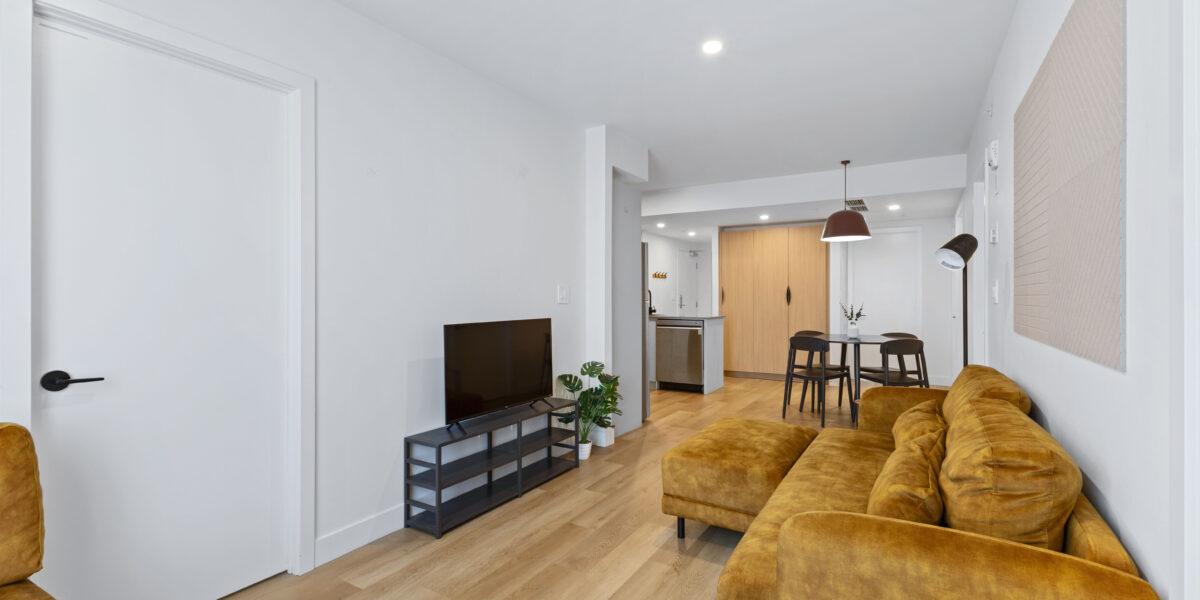
For example, at Palay, units are fully furnished and include fixed pricing structures, meaning students don’t have to worry about fluctuating utility bills or unexpected setup costs. Amenities like on-site study rooms, gyms, and shared spaces are also integrated into the building, reducing the need for additional spending or long daily commutes.
Instead of managing multiple services, payments, and responsibilities separately, everything is streamlined into one living experience designed around student needs.
At University Apartments, that approach is intentional. Every space is designed with student life in mind—because the people behind it were once students themselves.
So next time you question pricing, take a step back and consider the full picture.
Because when you factor everything in, the true cost of renting for students isn’t just about rent—it’s about time, stress, and overall quality of life.