

Moving to Montreal as an international student is exciting — but finding housing in a completely new city can be overwhelming. Between unfamiliar neighborhoods, different leasing rules, and endless rental listings, knowing where to start can be the hardest part.
Whether you’re moving from the United States, France, Australia, China, or anywhere else in the world, this guide will help simplify the process of finding student housing in Montreal.
Start With Student-Focused Housing Platforms
Most students immediately turn to Facebook Marketplace — and honestly, it can be a great place to start. Platforms like Facebook Marketplace, Realtor.ca, and Centris all have active rental listings throughout Montreal.
But if you’re moving to the city for the first time, these platforms can sometimes feel difficult to navigate. If you don’t already know the neighbourhoods, transit system, or rental market, it can be hard to tell which listings are actually student-friendly.
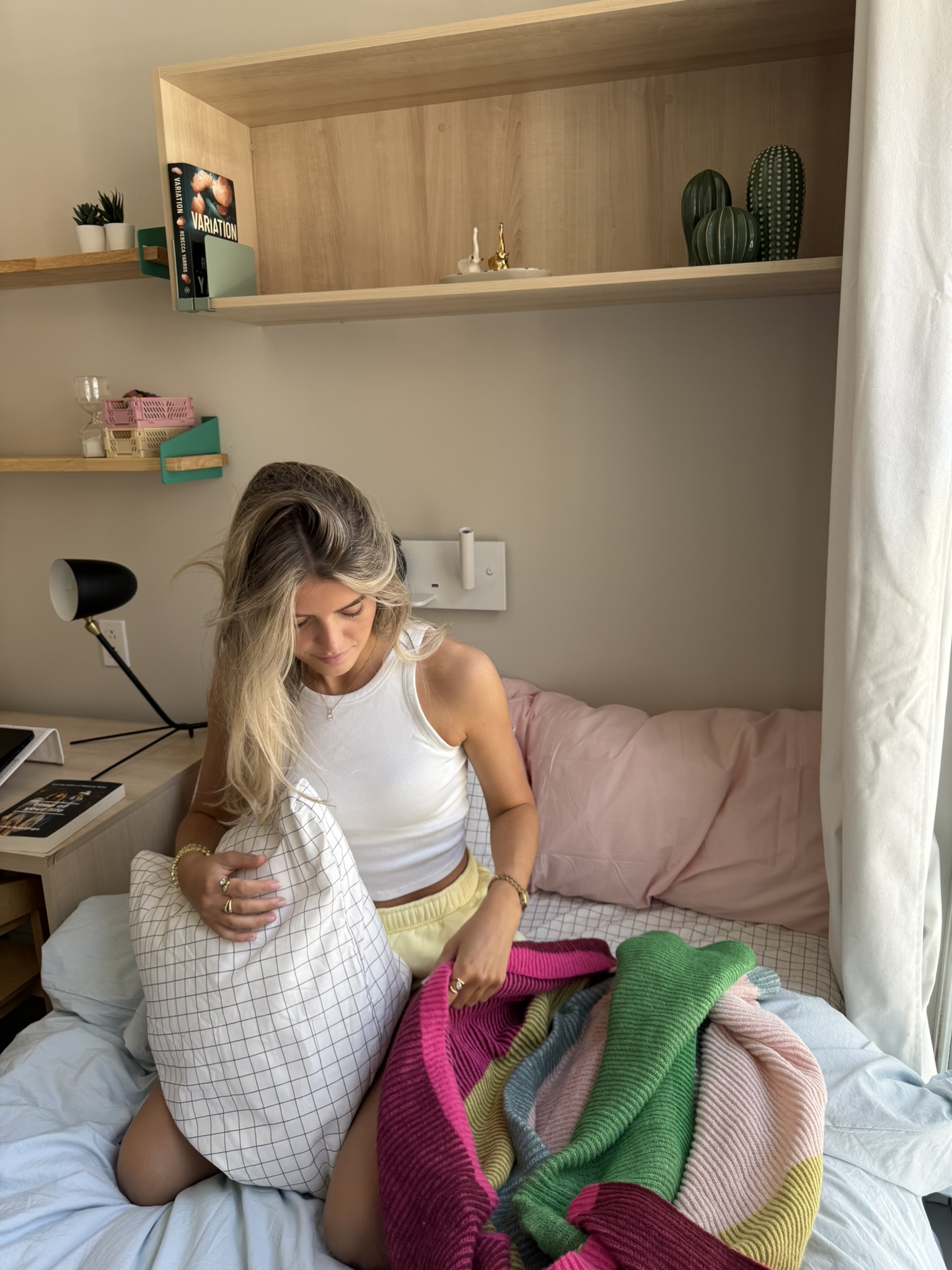
One of the biggest advantages of Montreal is that the city has a strong network of purpose-built student housing options.
If you’re coming from Europe or Australia, you may already be familiar with student accommodation companies like Scape. Similar student-focused housing options also exist throughout Montreal, offering an alternative to traditional apartment hunting.
Purpose-built student housing (PBSH) is housing specifically designed for students, with furnished units, study spaces, student-focused amenities, and locations close to campus. Unlike traditional apartments, it’s built around how students actually live, study, and socialize.
If you want a more detailed breakdown of PBSH, you can read our previous article here:
What Is Purpose-Built Student Housing?
To explore your options, try searching:
- “student housing Montreal”
- “furnished student apartments Montreal”
- “international student housing Montreal”
- “Montreal student residence alternatives”
These search terms will give you a much clearer picture of the student housing companies and rental styles available throughout the city.
Understanding a Quebec Lease
The leasing process in Quebec can look very different compared to other provinces — or other countries entirely.
Here are a few important things international students should know:
- In Quebec, leases automatically renew unless proper notice is given
- July 1 is the province’s traditional moving day, making spring the busiest rental season
- Quebec uses a standardized lease regulated by the Tribunal administratif du logement (TAL)
- Security deposits are generally not allowed in Quebec
Understanding these differences early can help international students avoid confusion during the leasing process.

Learn From Other Students
One of the best ways to understand Montreal’s housing market is by hearing directly from other students.
The Montreal student housing Facebook groups are extremely active and are commonly used for:
- Apartment listings
- Sublets
- Roommate searches
- Student advice
- Rental recommendations
Another great resource is Reddit. International students frequently use Reddit to ask honest questions about moving to Montreal, neighbourhoods, transportation, and rental experiences.
Helpful communities include:
Some common questions students ask include:
- “What are the best neighbourhoods for students?”
- “Is this rental company legitimate?”
- “How difficult is it to rent without Canadian credit?”
These platforms can give you real insight into student life before you even arrive in Montreal.
Pro Tips for International Students
Before signing a lease, keep these two things in mind:
Furnished vs. unfurnished apartments
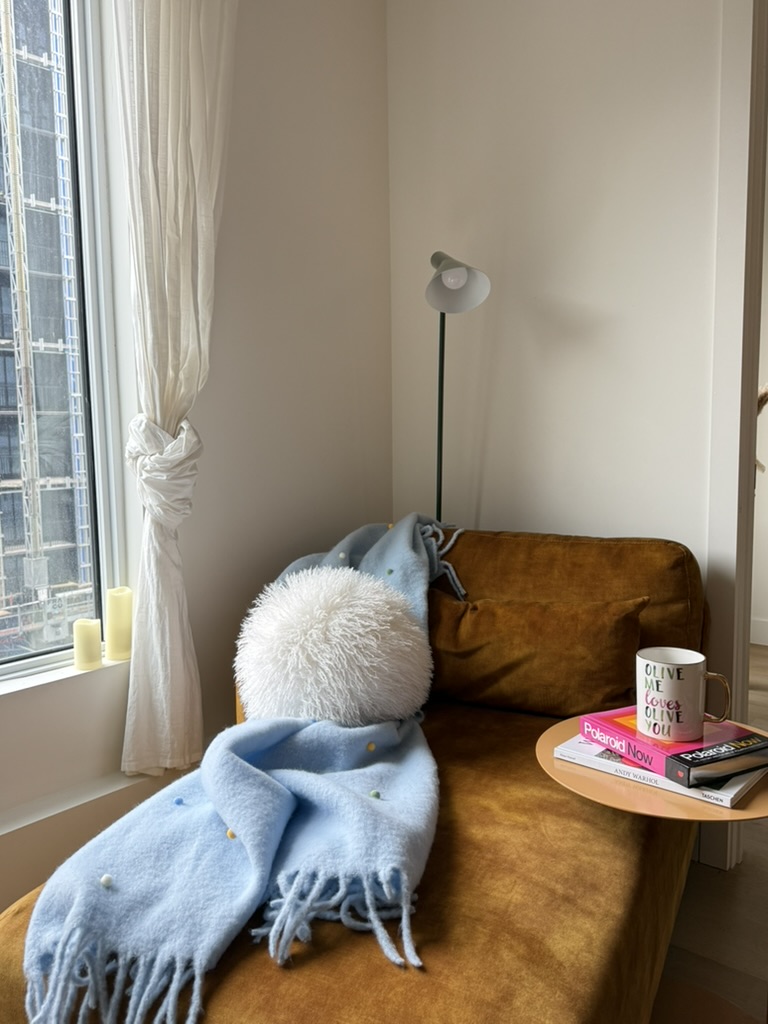
Always check listings carefully for the word meublé (furnished). In Quebec, many unfurnished apartments may not include appliances like a fridge or stove.
Understand Quebec apartment sizes
Apartment listings in Montreal are often advertised as 3½ (3.5) or 4½ (4.5), which can be confusing for international students. The number refers to the total number of rooms, while the “½” represents the bathroom. For example, a 3½ typically includes one bedroom, a kitchen, a living room, and a bathroom. A 4½ includes two bedrooms. Many international students mistakenly assume a 3½ means three bedrooms, so it’s important to understand the local terminology before starting your apartment search.
Stay close to public transit
Montreal students rely heavily on the Montreal Metro. Living within a 10–15 minute walk of a metro station can make commuting to class significantly easier year-round.
Moving abroad is already a major transition. Finding housing shouldn’t make it harder. With the right platforms, resources, and understanding of the Montreal rental market, international students can make the process much smoother before arriving in Canada.
Happy studying — and welcome to Montreal.