
“How Was Your Day?”
Since graduating, I’ve moved into my own place. Just me.
This feels like the phase where I’m supposed to feel grown. Like my life has direction, purpose, momentum. And I do feel that — at least in the rare moments when the imposter syndrome fades. On paper, this is what moving forward is supposed to look like.
But living alone honestly kind of sucks.
Sure, I don’t have to clean up after roommates anymore, and yes, I can shower with the door open. But beyond those surface-level perks, there’s not much else. If I’m being honest, living alone has made me realize just how much I miss having a roommate — random or not.
What I miss most is the quiet awareness that comes from shared space. Someone knowing your routine without asking. Knowing when your roommate is supposed to be home, and noticing when they aren’t. Not in a controlling way — just in a human one. You don’t realize how grounding it is to have someone wonder where you are until no one does.
In student housing, if you didn’t come home one night, someone noticed. Whether you wanted them to or not. Your presence — or absence — mattered in small, everyday ways.
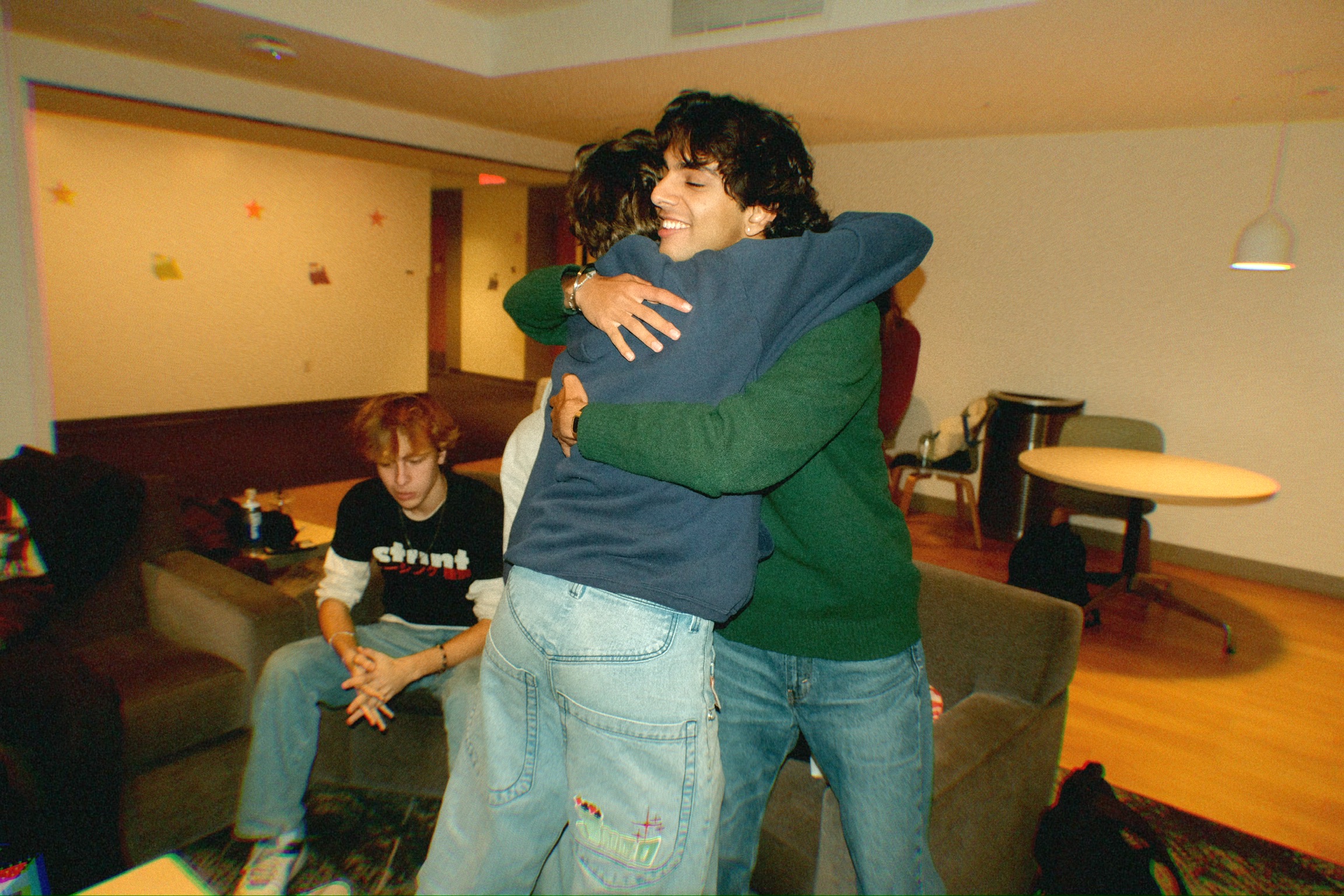
There’s real power in moments that small. Something as simple as asking “how was your day?” can signal care, recognition, and belonging. This Beyond Local article captures that idea beautifully, and helped me put language to what I’ve been missing.
Coexistence Is a Form of Community
That’s when it clicked: what I missed wasn’t constant connection — it was coexistence.
The background laughter. A passing “have a good day” as someone heads out the door. Even in later years, when my roommates weren’t my closest friends, the shared rhythm still mattered. We didn’t need to be inseparable for the space to feel warm.
There’s a level of intimacy in simply existing alongside other people — being seen in the ordinary, without explanation. Student housing is built around that idea, whether you realize it or not. Communities like University Apartments are intentionally designed around shared spaces and everyday overlap, allowing connection to happen naturally, without pressure.
I’ve spent time in two University Apartments communities, and what I appreciated most was how differently coexistence showed up in each. At Wester-Land, shared amenity spaces like the games room made connection feel almost inevitable — watching people meet for the first time felt a lot like watching my own early university experience. At Palay, it’s quieter: quick elevator, small talk, familiar faces, and a sense that sharing a building makes people more open, even in brief moments. That everyday overlap is what makes connection feel natural, not forced.
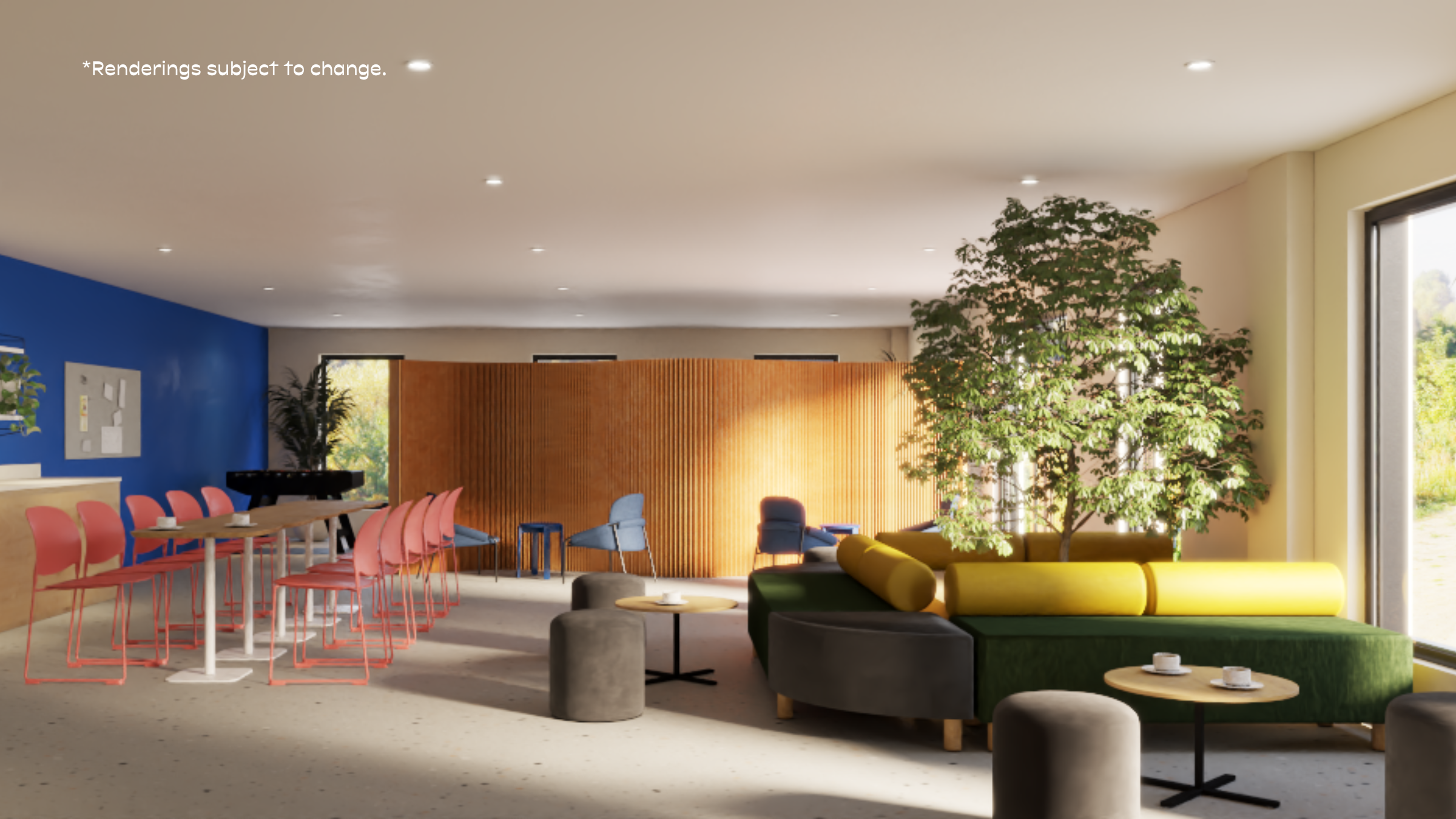
You don’t have to try to build community when the environment is already doing some of that work for you. Living at University Apartments means having access to programming designed to make connection easier — art initiatives, local parties with live bands, free yoga, and mental health support through partners like MUN Minds. These aren’t just activities; they’re low-pressure ways to be around people without having to force conversation. Sometimes the hardest part of building community is simply finding the entry point. When those opportunities are already there, connection feels a lot more possible.
Community Doesn’t Have to Look One Way
That said, proximity isn’t the only way community forms — and if you’re looking for something more structured, those options exist too.
Student clubs and organizations bring people together around shared interests rather than shared spaces. Clubs are one of the best ways to do this. Regardless of the school you’re attending, McGill and Concordia both offer a wide range of student clubs and associations.
I’ll be honest — I never joined a club.
Post-grad, do I regret that? Of course. Not just because of the networks you build, but because clubs offer a sense of community that doesn’t always revolve around social routines or drinking. That perspective is something I didn’t fully experience.
But I don’t regret my university experience — not even a little.
My community formed in a much less intentional way. I met one of my closest friends by walking the wrong way to Econ 111. We had a terrible professor. I hated Econ. I asked him for notes. Four years later, we’re a group of six — who’ve traveled together and still end up at Cactus Club for happy hour most weekends.
If going out isn’t your thing — or you’re later in undergrad and craving something different — social clubs can be a great alternative. In Montréal, pages like What’s Up Montréal, Visit Montréal, and The Lilac do a lot of the work for you by curating group activities and events. There are also book clubs, run clubs, and creative spaces like canvas clubs that offer connection without the pressure of nightlife. Being social in new ways often leads you to people you’d never normally meet — and some of those end up becoming the most meaningful connections.
Sometimes community comes from structure. Sometimes it happens by accident. And sometimes it forms quietly, without you realizing it’s happening at all.

Final Thoughts
Leaving student housing made me realize how much I took for granted.
Now, in a new city, starting over, there are moments where the excitement gives way to quiet and the “what have I done?” thought creeps in. And in those moments, it’s not independence I crave — it’s proximity. Someone nearby. Someone around. Someone to ask, “how was your day?”
Spaces that soften the landing matter. Student housing — including communities like Palay and University Apartments — isn’t just about convenience or location. It’s about everyday connection, even when you don’t realize you’re building it.
So if you’re questioning why you’re still there, or wondering when you’re supposed to “move on,” it might be worth rethinking what student housing actually offers. Because sometimes, it gives you more than you realize — until it’s gone.
When was the last time someone noticed if you came home?
And if you ever feel too alone, please know you’re not. Support is available.
See you next week,
Liv Lee